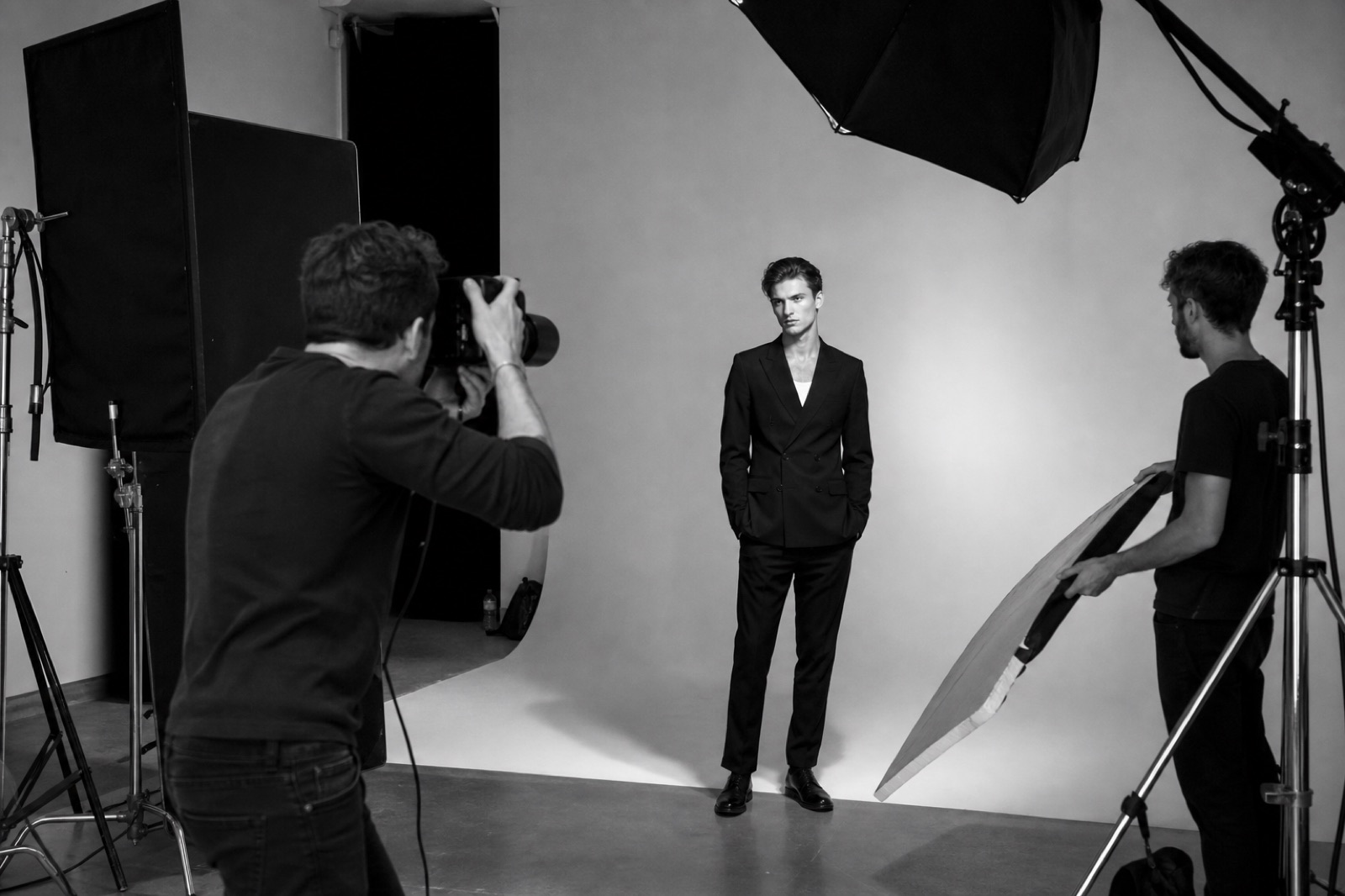
Direct answer
Direct answer: commercial modeling is usually built around relatable advertising, lifestyle and brand-use images, while fashion modeling is more likely to involve runway, editorial, designer lookbooks and trend-led visual standards. New talent fits where their look, movement, measurements, availability and comfort match the clients an agency can realistically serve.
The comparison matters because new faces often treat "fashion" as the serious path and "commercial" as the fallback. That is the wrong frame. Both markets can be professional, competitive and valuable. They simply answer different client questions. A fashion client may be asking whether a model can carry a designer's line, a runway casting or an editorial story. A commercial client may be asking whether a person can make a product, service or everyday scene feel believable.
Current search results explain the categories, but they often underplay the decision a beginner has to make: what kind of material should I build, what meetings should I take and what promises should I distrust? Fit is not a judgment of worth. It is the practical match between a model and the work available in a market.
The core difference is the client's job
Fashion modeling tends to serve designers, fashion magazines, runway producers, lookbooks and campaigns where clothing, silhouette and visual direction lead. The model becomes part of a fashion image. That can involve stricter height, proportion or measurement expectations, especially in runway and high fashion. It may also require comfort with unusual styling, long casting days and very specific creative direction.
Commercial modeling tends to serve advertising, catalog, healthcare, finance, technology, retail, lifestyle, hospitality and local or national brand campaigns. The model's job is often to make a scenario credible: a parent choosing a service, a professional using software, a group of friends in travel imagery, a customer wearing accessible fashion. Range, expression, warmth and reliability may matter more than fitting one runway standard.
The overlap is real. A model can do editorial fashion one month and a commercial lifestyle shoot the next. But the portfolio signals are different. A casting team looking for fashion potential may study proportion, movement and ability to disappear into a concept. A commercial buyer may need expression, relatability and an image that feels usable in a campaign.
Where commercial modeling can fit new faces
Commercial work can be a strong entry point because it covers many ages, sizes, backgrounds and personality types. That does not mean anyone is automatically bookable. It means the market has more use cases than one narrow fashion standard. A new face with a clear smile, punctual habits, natural camera comfort and believable expression may have a commercial path even without a high-fashion profile.
Commercial clients often need people who look like customers, employees, students, families, founders, athletes or travelers. The work may include still photography, video, e-commerce, social content, internal campaigns or local advertising. The practical question is whether your photos show usable expression and scenario range. A beautiful image that says nothing about how you behave on camera may not be enough.
Barnett Ellman's brand casting work lives in this logic. The best commercial material is clear, current and honest. It should show what you look like now, how you read in simple light and whether you can hold an expression without turning every frame into a fashion pose.
Where fashion modeling can fit new faces
Fashion fit is usually more specific. Agencies may look at height, proportions, measurements, bone structure, walk, posture, age, market timing and how a new face photographs in simple conditions. Fashion development can involve testing, runway training, grooming, digitals and patient portfolio building. It can also involve rejection for reasons that are not personal or permanent.
A fashion path may make sense if your look fits current boards, you can travel or adjust schedule, you are comfortable with creative direction and you can handle slower development. A new face should not confuse interest with a finished career. A good meeting should explain what needs development and what kind of work is realistic now.
The New Faces process should be careful with language. No agency article should promise runway work, campaigns or income from a category label. Fashion potential is not a guarantee. It is a reason to build the right material and test the market professionally.
Build the portfolio around fit, not fantasy
For commercial work, include clean headshots, approachable lifestyle images, a range of expressions and simple full-length shots. For fashion development, digitals and strong test images may matter more than smiling variety. In both cases, the first rule is current accuracy. A casting team cannot use photos that hide your hair, proportions, skin, age or measurements behind heavy styling.
Do not buy an expensive portfolio before you understand the path. The FTC warns that fake modeling pitches often use pressure around photos, classes or guaranteed work. Legitimate development costs can exist, but they should be explained in writing, with choice, rights and timing clear. A same-day demand tied to guaranteed bookings deserves a pause.
Usage rights also matter. If a photographer owns an image or a contract limits commercial use, you need to know before sending it widely. The Copyright Office's photographer guidance is a useful reminder that image creation and image use are legal questions, not just styling questions. For minors or contract-heavy situations, independent review is sensible.
Safety, contracts and the right next step
Whether the meeting is commercial or fashion, verify the agency through official channels. Be cautious with invitations that arrive only through social media, requests for revealing images, private apartments, secrecy, travel alone or pressure to pay immediately. A professional opportunity can withstand verification.
Ask direct questions: which division would represent me, what material do I need, who pays for what, how commission works, whether representation is exclusive, how long the contract lasts and how usage rights are handled. Good questions do not make you difficult. They make the relationship clearer.
The best category for a new model is the one that gives useful next steps. If commercial is the fit, build believable range. If fashion is the fit, build precise development material. If both are possible, keep the portfolio clean enough that each buyer can see what they need. The goal is not to win an argument about labels. It is to become easier to place honestly.
FAQ
Can a model do both commercial and fashion work?
Yes, some models do both, but the portfolio, measurements, availability and client expectations may differ by market.
Is commercial modeling less serious than fashion modeling?
No. Commercial work can be highly professional and competitive; it simply serves advertising and relatable brand needs more often than runway or editorial fashion.
Should a new face pay for a portfolio first?
New models should be cautious about expensive upfront packages and should understand rights, usage and agency expectations before paying.
Sources consulted: Indeed fashion versus commercial modeling guide, BEF Models comparison guide, FTC modeling scam guidance, U.S. Copyright Office photographers and copyright. Featured image: existing site asset, /assets/img/photo-section.jpg.