A first photoshoot goes better when the model understands the call sheet, arrives prepared and knows where the boundaries are. Evidence and competitor review checked 2026-09-03. This guide gives general new-model preparation; it does not promise bookings, rebooking, client outcomes or paid work.
Quick answer
For a first professional photoshoot, confirm logistics early, keep skin and hair predictable, pack a small model bag, arrive on time, listen closely to direction and speak up if something feels unclear or unsafe. The goal is not to perform like a veteran. The goal is to be prepared, respectful and easy to direct.
The week before
Do not make surprise changes to your appearance. Avoid new skincare treatments, drastic haircuts, piercings, tanning experiments or anything that changes the look shown in your digitals. Read the call sheet twice: date, call time, address, contact, wardrobe notes, hair and makeup instructions, expected release time and whether meals are provided.
Plan the route the night before. Save the contact number somewhere outside your phone if possible. If you are represented, ask your agent about anything confusing before the shoot day.
Model bag
A useful bag is compact: skin-tone seamless undergarments, strapless option if requested, simple robe or button-down layer, comfortable shoes, water, tidy snacks, charger, deodorant, lip balm, hair ties, ID and a printed or saved call sheet. Bring only wardrobe the team requested or approved.
Current model-prep resources all point toward autonomy. The bag is not about looking important; it prevents small issues from consuming the crew's time.
On set
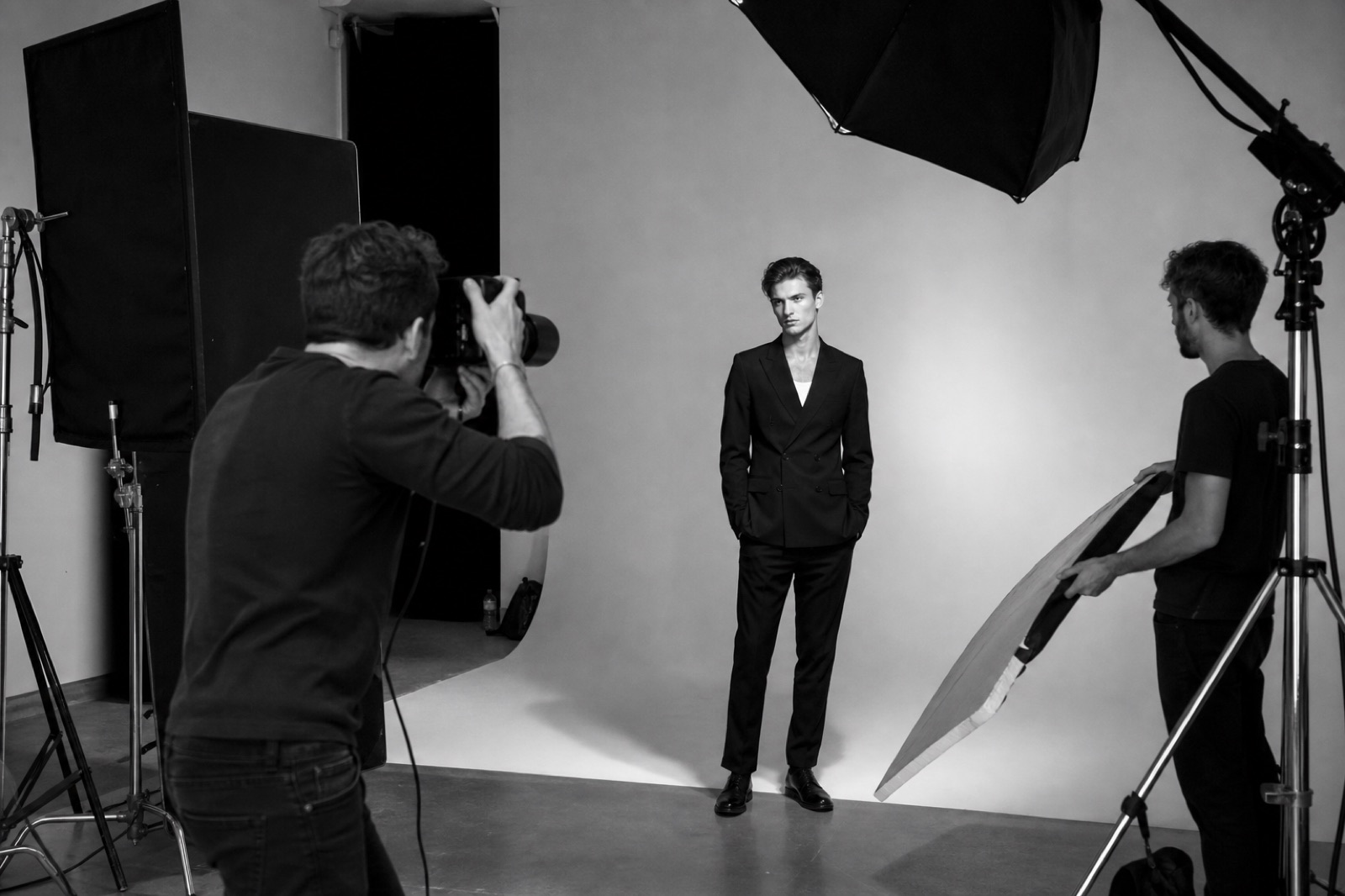
Most shoots begin with check-in, hair, makeup, styling and test frames. Waiting is normal. Stay reachable, keep personal items contained and avoid stepping into lighting or styling areas unless asked. When shooting starts, small controlled movements usually help more than dramatic posing. Let the photographer direct shoulders, chin, hands and eyeline.
If you do not understand a direction, ask once and calmly. Professional teams would rather clarify than spend twenty minutes shooting the wrong thing.
Safety and boundaries
Safety is preparation, not paranoia. Share your call sheet with a trusted person, confirm the location, know who is booking the shoot and keep transportation under your control. For minors, guardian or chaperone expectations should be confirmed in advance. The FTC also warns that legitimate modeling opportunities should not require deceptive upfront promises or pressure.
You can say no to poses, wardrobe or touch that was not agreed. A professional set can solve concerns without punishing the model for raising them.
After the shoot
Thank the crew, leave borrowed items where directed and send your agent or contact a concise report if anything unusual happened. Do not post behind-the-scenes images, outtakes or wardrobe unless permitted. Usage rights, client timing and confidentiality may apply.
Sources consulted: Photography Shark model safety checklist, Billion Models first-shoot preparation, The Looksheet casting bag checklist and FTC modeling scam guidance. Not yet represented? Read how to get scouted or review New Faces.
Reading the call sheet
The call sheet is the job map. It should tell you where to arrive, when to arrive, who to contact, what the shoot is for, whether hair and makeup are provided and what wardrobe notes apply. If the call sheet is vague, ask before the day. A professional question early is better than confusion at the door.
New models should also check whether the shoot is editorial, commercial, test, e-commerce or portfolio-building. The answer affects wardrobe, usage expectations and how quickly images may be available. Do not assume you can use every image publicly.
Money, safety and scams
Be careful with anyone who pressures you to pay large upfront fees, promises guaranteed bookings or refuses to provide clear identity and location details. The FTC's modeling-scam guidance is relevant because new models are often targeted when they most want validation. Legitimate preparation may involve costs in some contexts, but pressure and guarantees are warning signs.
If you are a minor, a guardian should be involved in communications and present where appropriate. If you are an adult, you can still share your location and schedule with someone you trust.
Professionalism without pretending
You do not need to pretend you know everything. You do need to be reachable, punctual, clean, attentive and honest. Tell the team if shoes hurt, if a garment does not close, if a pose feels unsafe or if you did not understand the direction. Small problems become larger when everyone tries to be polite instead of precise.
The best first-shoot mindset is simple: learn the rhythm, protect your boundaries and make the crew's work easier where you can.
Posing basics
New models often think posing means memorizing dramatic shapes. On most first shoots, it means responding to direction. Practice small changes: chin slightly down, shoulder angle, weight shift, hand relaxed, eyes to light, breath out. Move slowly between frames so the photographer can catch variations. If a pose feels awkward but safe, wait to see the monitor before judging it.
Do not compare your first shoot to polished campaign images. Those images involve lighting, styling, retouching, selection and experience. Your job is to learn how your face and body respond to direction.
Wardrobe etiquette
Treat garments carefully. Keep food, makeup and perfume away from samples. Ask before removing tags, changing shoes outdoors or sitting in delicate clothing. If something is too tight, stained or damaged, say so immediately. Quietly forcing a garment can create a larger problem than a quick styling adjustment.
Return borrowed items exactly where the stylist asks. Professionalism is often remembered in these small details.
Communication before and after
Keep messages concise and professional. Confirm receipt of the call sheet, ask necessary questions in one place and avoid late-night fragmented texts unless something urgent changes. After the shoot, report any safety concern, wardrobe issue or schedule problem while details are fresh. Good communication protects the model, the agency and the client relationship.
For unpaid tests or portfolio collaborations, put expectations in writing: who receives images, when they arrive, whether retouching is included and how everyone may use them. Clarity prevents disappointment later.
Managing energy
Long shoot days are uneven. Eat the tidy snack, drink water, sit when invited and avoid disappearing when the team is ready. Energy management is part of professionalism because the final look of the day deserves the same attention as the first. If you feel faint, unwell or overwhelmed, tell someone immediately.
FAQ
What should a new model bring to a first shoot?
Bring the call sheet, ID, simple undergarments, comfortable layers, water, snacks, charger and any wardrobe requested by the team.
Can a minor bring a guardian?
Yes. A guardian or approved chaperone should be expected for minors, and details should be confirmed before the shoot.
Should I post behind-the-scenes photos?
Only if the client, photographer and agency permit it. Usage timing and confidentiality may apply.